An original mind can go,
where an artificial one cannot.
MindsetAlly is grounded in a simple idea.
Growth rarely happens by erasing.
It happens by integrating.
Most modern conversations and much of modern art ask to be noticed.
I prefer art and conversation that helps us notice.
Notice what we think. Notice what we feel. Notice what we overlook.
Experts, pundits, platforms, everyone has an opinion about what you should think. As an ally, I am not interested in that conversation.
What is more useful, and more rare is learning to notice how you think.
Not what your mindset should be. But what it actually is, underneath the noise or underneath the version of yourself running on autopilot.
Through Allied coaching and cognitive art, MindsetAlly offers language, perspective, and tools for recognizing the patterns running inside your own mind.
Not to fix them. Not to replace them. But to reconcile them clearly enough that they no longer paralyze.
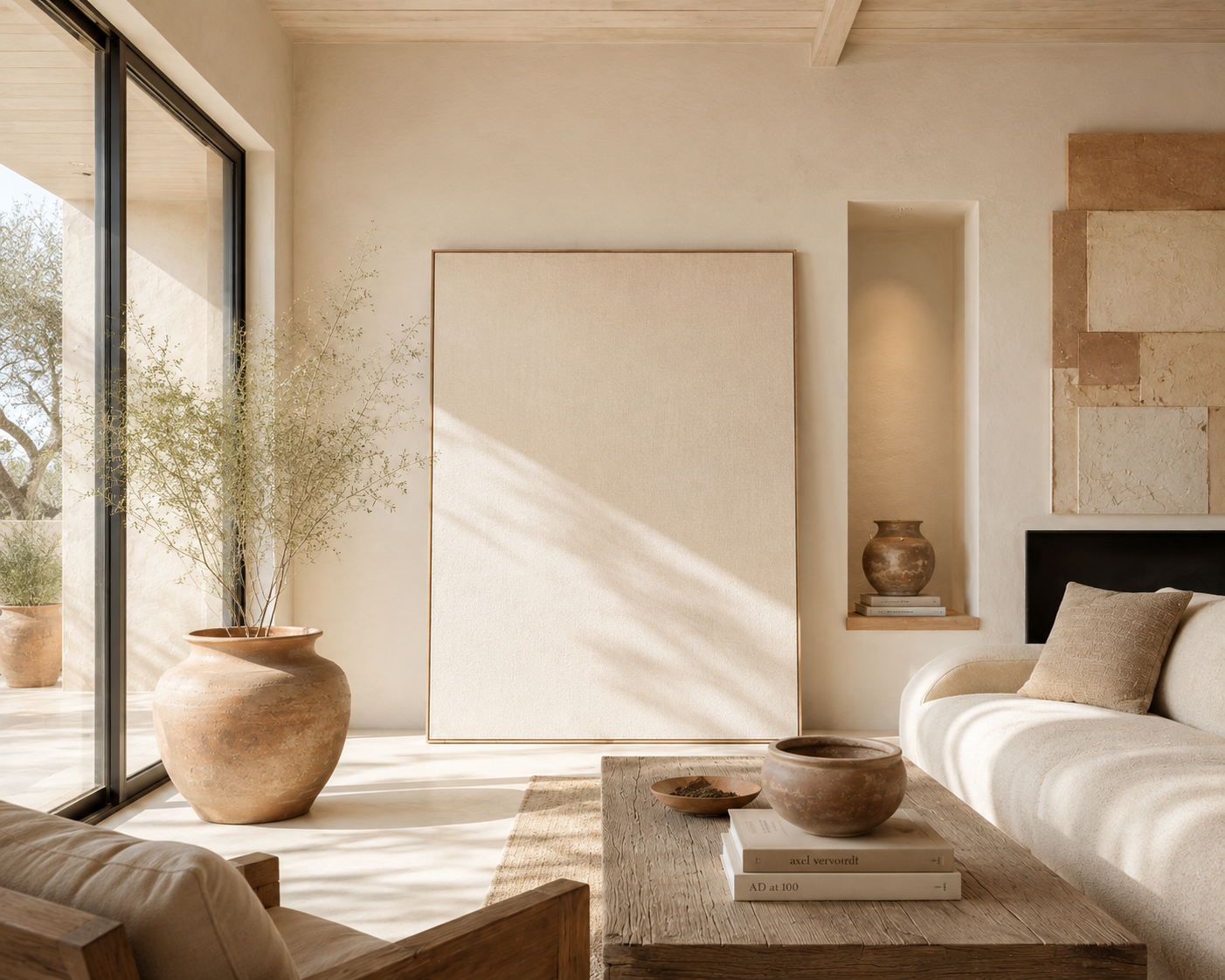
Original Art.
COGNITIVE ART.
Art is not separate from thinking; it is one of its oldest and most powerful forms. Before ideas become words, they often begin as images, rhythms, colors, movements, or stories. Art gives shape to thoughts that logic alone cannot fully express, a silent reset to balance the mind.
Where analysis seeks certainty, art welcomes exploration. Where data explains what is happening, art often asks why it matters. Together, they create a fuller understanding of the world
And in a world designed to capture our attention, original art gives it back to us.
CONSIDERED company.
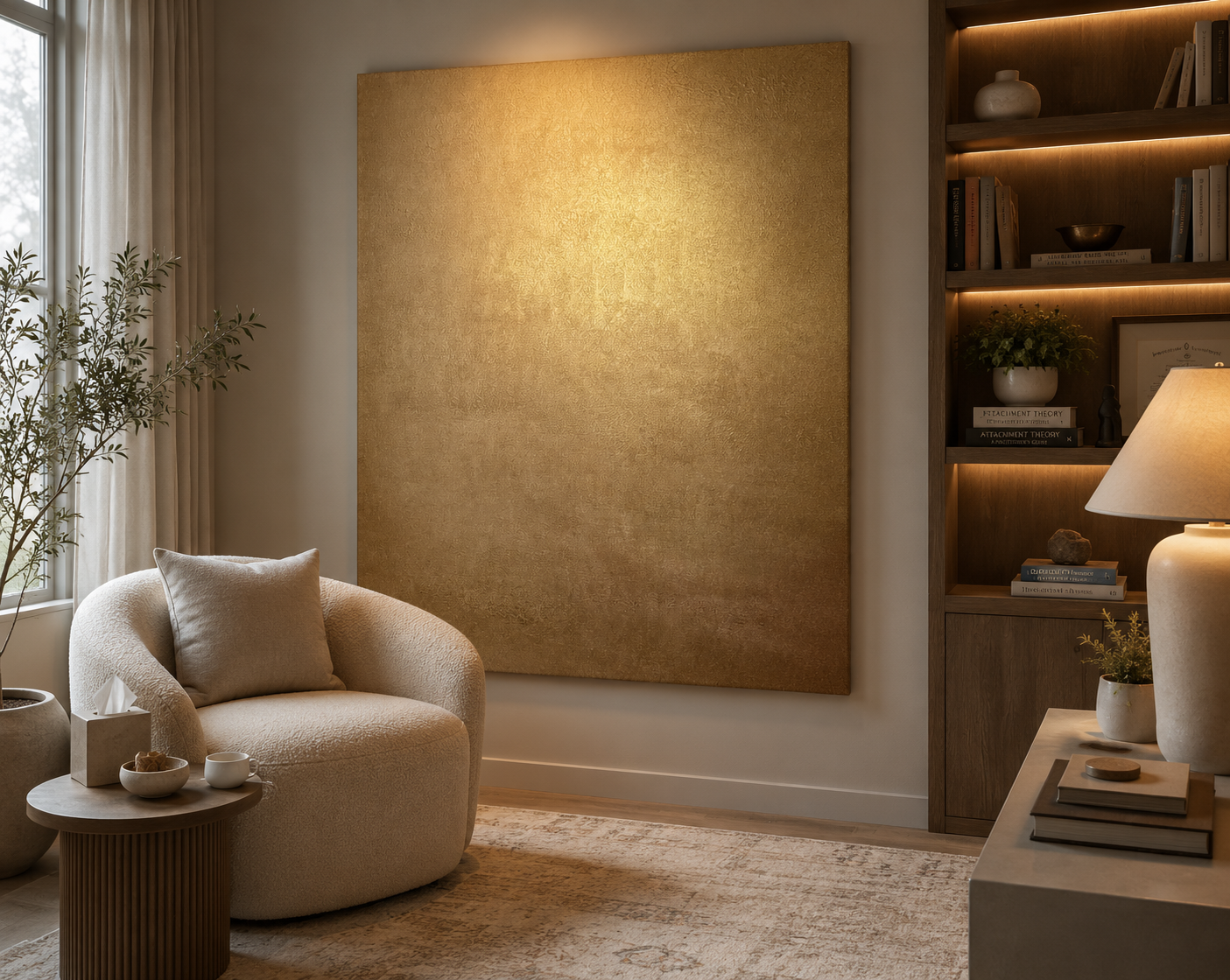
ALLIED COACHING
We live in an age of endless information, competing narratives, and constant opinion. What has become rare is discernment. Allied Coaching creates a space for structured conversation grounded in discretion and free from judgment.
For minds that are both high-functioning and overwhelmed, there is real value in having somewhere to step back, think clearly, and sort through what actually deserves your attention.
Clarity doesn’t always come from more information. It comes from discernment, from finer perception.
Meet the Founder, ALI
Most people think creativity and analysis sit on opposite sides of the brain. I've never experienced them that way.
The deeper I navigated systems, the more I realized analysis eventually reaches its limits.
Art didn't replace analysis. It expanded it.
For much of my life, analysis was my greatest strength, but creating art expanded that strength by aiding me in seeing beyond, to notice patterns, embrace ambiguity, and remain curious. The space in which successful outcomes come alive.
In Art, I found myself approaching every project the same way I approached conflict and strategy: understand every perspective, remove unnecessary friction, and creating harmony.
As a cognitive reconciliation expert with a foundation in law and biology, I spent years in organizational leadership helping people reconcile contentious thinking, build clarifying structures, and cultivate mindsets capable of sustaining real harmony.
I have seen firsthand how unresolved thinking creates tension. In individuals. In organizations. At home. The pattern is always the same. Not a failure of intelligence or intention, but a failure of cohesion. A pervasive cognitive dissonance with no outlet for reconciliation.
The resolve comes in the space of cognitive freedom, not the absence of thought but the absence of thought's grip. The state in which the mind can observe its own patterns without being captured by them. Where a feeling is just a feeling, a thought is just a thought, and neither has to become a verdict.
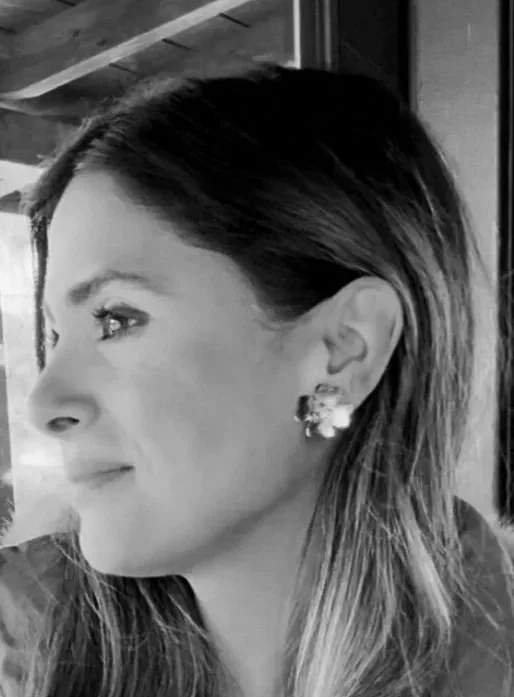
True luxury is craftsmanship. Intentionality. Originality. Spaces that breathe. Harmony with nature. Objects that have earned their place.
Sustained success has afforded the freedom to work differently. Not less rigorously, but more honestly.
AFTER 15 YEARS, my work TODAY is chosen. A considered blend of counsel and curation, where my time and priorities meet.
And in a world increasingly shaped by artificial intelligence, what I offer is something else entirely.
Human mind. Human hands. Human to human exchange.
That, in the end, is the most radical thing on offer.
AT your side
As a curator, I create original works inspired by earth pigments. Pieces born from a rigorous, almost scientific analysis of earth, space, and design, then brought to life through a technique that is deliberately forgiving yet profoundly impactful.
Artwork that invites curiosity rather than demanding precision.
The result is art that feels both considered and alive- grounded in the natural world, but entirely free on its own.
As a coach, I work at the intersection of cognition, behavior, and the biological architecture that shapes us. I understand that not every season of life calls for therapy. Sometimes we simply need perspective.
The result is a quality of thinking that feels both precise and liberating. A quieting of the internal noise alongside the external. Space for expansive thinking, clearer decision making, better command of resources, and a more honest assessment of reality.
“Reason helps us arrive at answers. Art helps us ask better questions.”